
AC Coupling vs DC Coupling: Where Should PV Connect?
Summary: Neither is "better" — they fit different project conditions. A practical comparison of AC vs DC coupling with VGRID MPPT/DC-DC options.
One point decides it: does PV connect to the AC or DC bus?
AC coupling
Most common for retrofit: PV modules → PV inverter → AC bus, battery ↔ PCS → AC bus → loads/grid. Pros: easy retrofit, flexible expansion. Watch: PV-inverter coordination with microgrid grid-forming / anti-islanding.
DC coupling
For new systems / higher PV DC utilisation: PV → MPPT → DC bus, battery ↔ PCS → AC bus. Pros: PV and battery share the DC side, fewer conversion stages. Watch: DC voltage matching and MPPT/PCS power sizing.
Selection principle
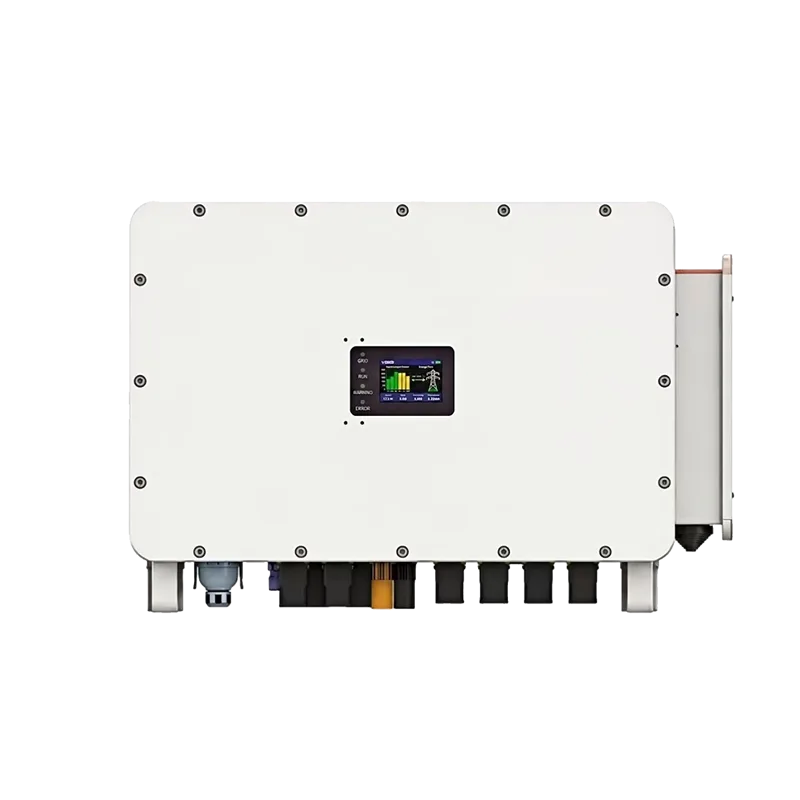
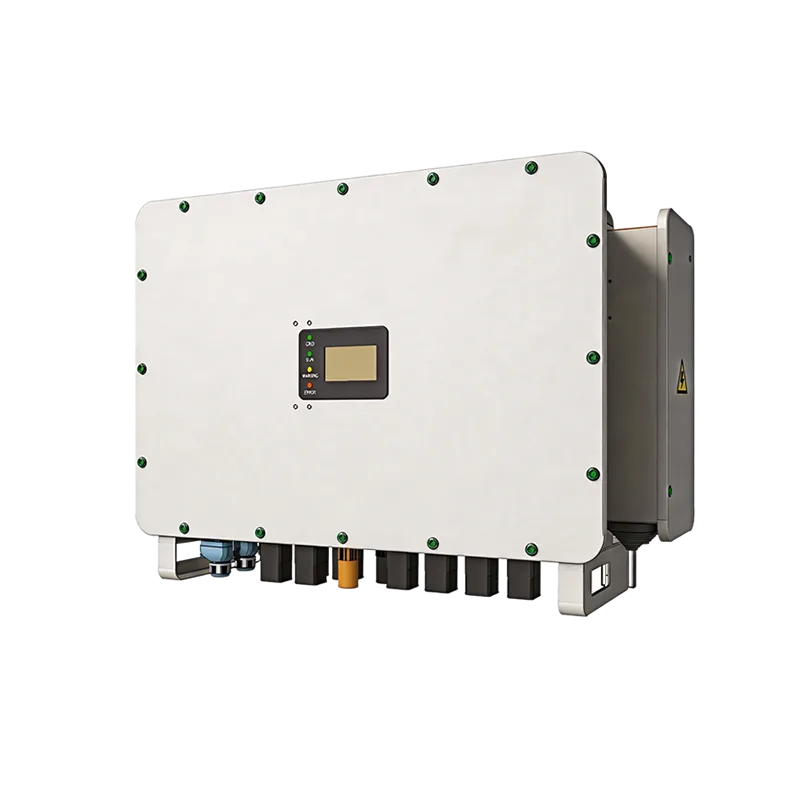
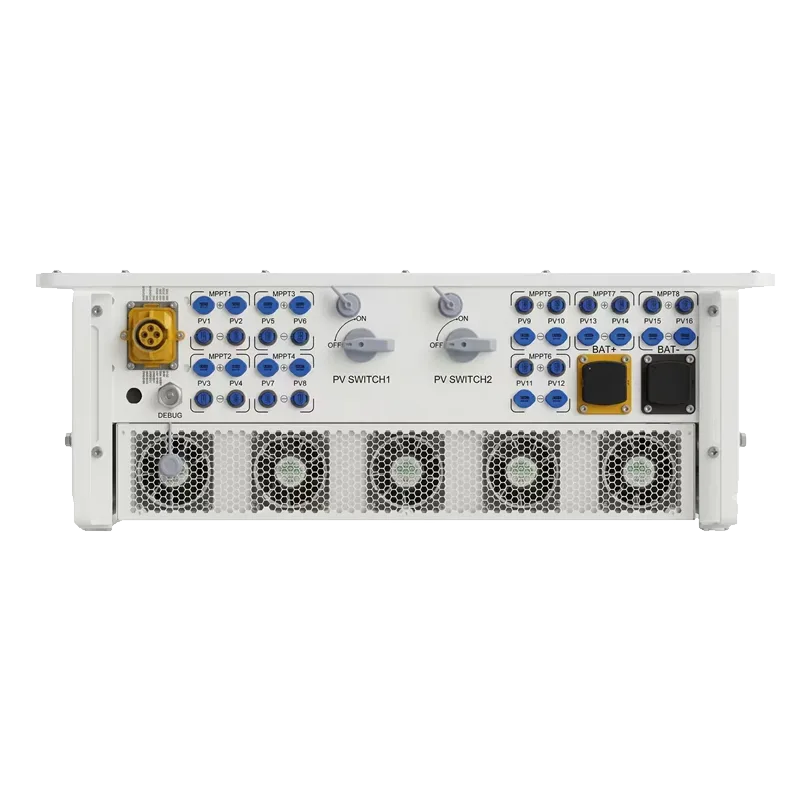
Retrofit → AC coupling; new microgrid wanting modular, near-array PV → DC coupling. VGRID Leona-M200K and SP120/60HCPV move MPPT to the array side to cut long PV cabling.
When to use DC/DC
When the challenge is "how to connect different battery voltages to one DC bus", a bidirectional DC/DC such as SP210HCDC decouples voltage and manages clusters independently.
FAQ
Is AC or DC coupling better?
Neither absolutely. Retrofit favours AC coupling; new microgrids wanting modular near-array PV favour DC coupling.
What MPPT does DC coupling need?
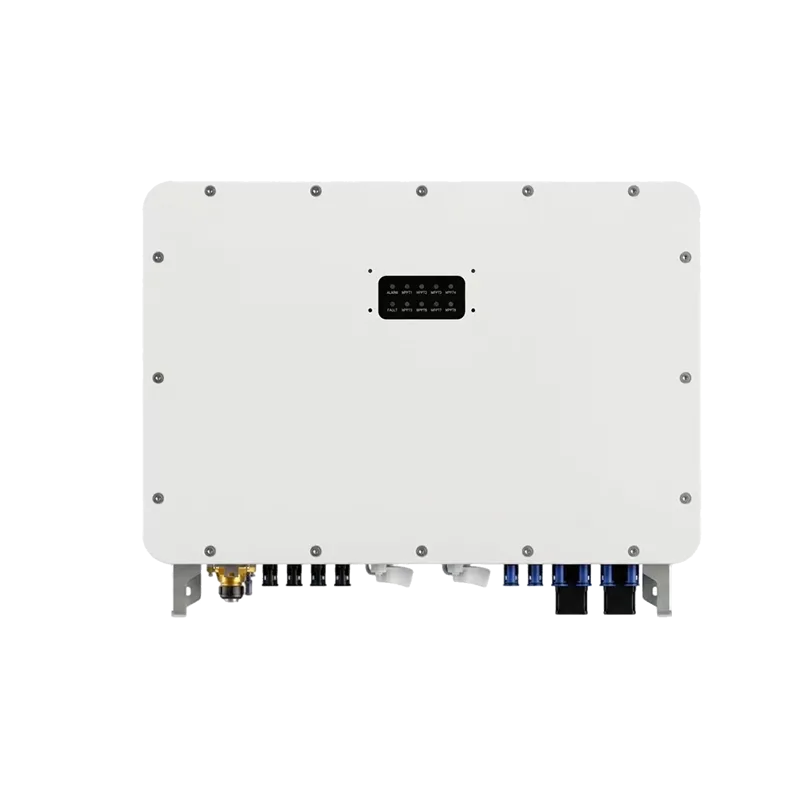
Boost/buck MPPT (Leona-M200K, SP135HAPV) matched to PCS power and DC voltage, with multi-string combiner.
How to connect different-voltage battery clusters?
Use a bidirectional DC/DC (SP210HCDC) for voltage decoupling, independent cluster management and SOC balancing.
Where is anti-backflow more critical?
Both need it; AC coupling relies on meter + EMS strategy, DC coupling also needs DC-side protection.