What Makes Up a Microgrid? PCS/BMS/EMS/MPPT/DC-DC/STS Roles
Summary: Read a topology by finding the bus, then energy inputs, then control lines. A clear map of microgrid component roles and coordination.
The trick to reading a system
In a topology, first find the bus (AC/DC), then the energy inputs (PV/grid/diesel/battery), then the control lines (EMS/BMS).
Each component owns one core job
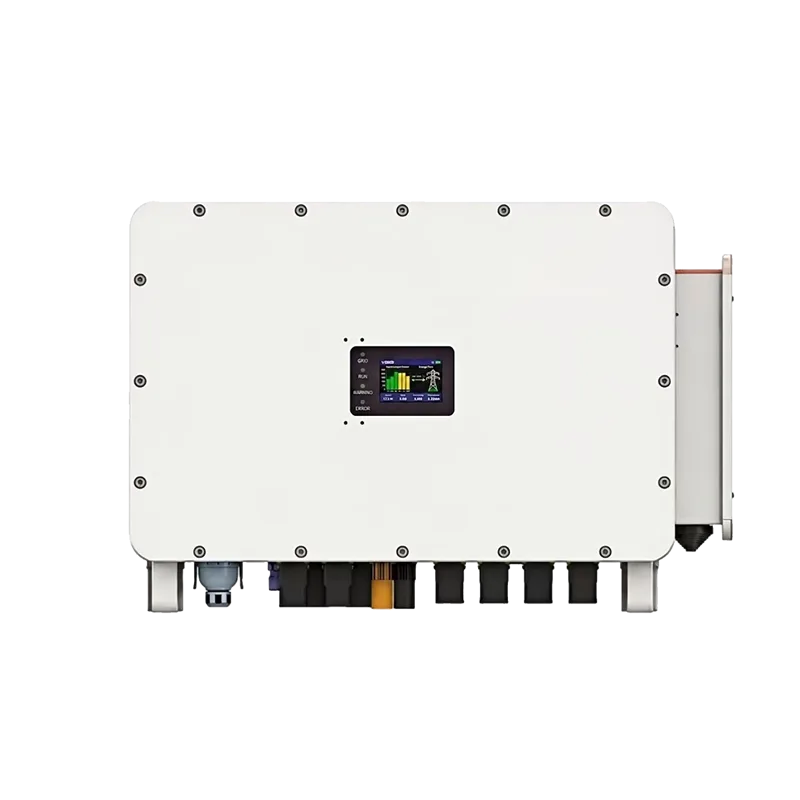
- PCS—battery↔AC bus, bidirectional / grid-forming / transfer (e.g. SP125HCPS).
- BMS—battery safety/state: SOC/SOH/temperature/protection.
- EMS—system dispatch: strategy / coordination / cloud.
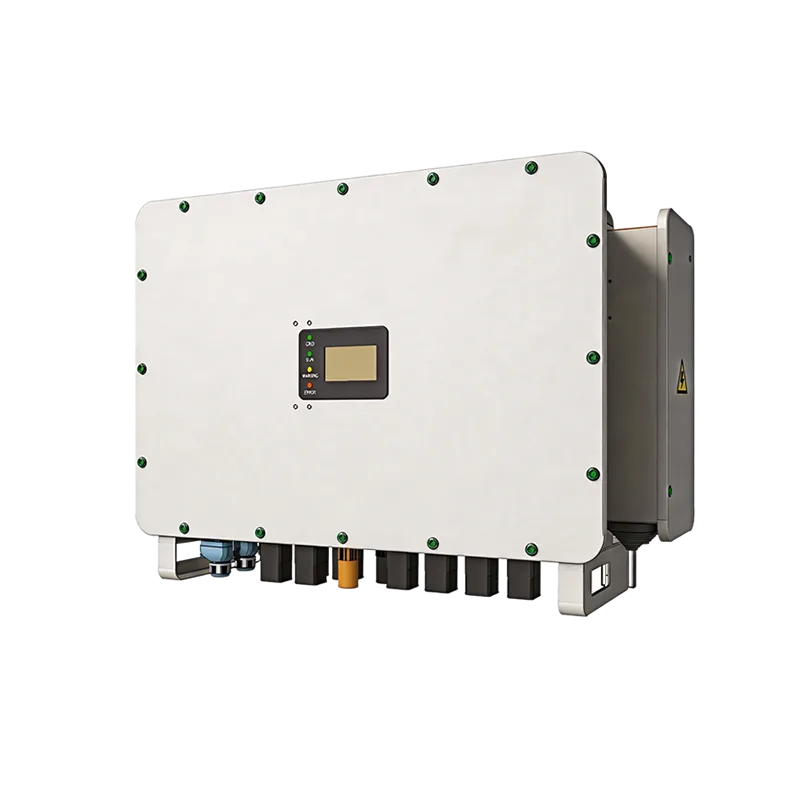
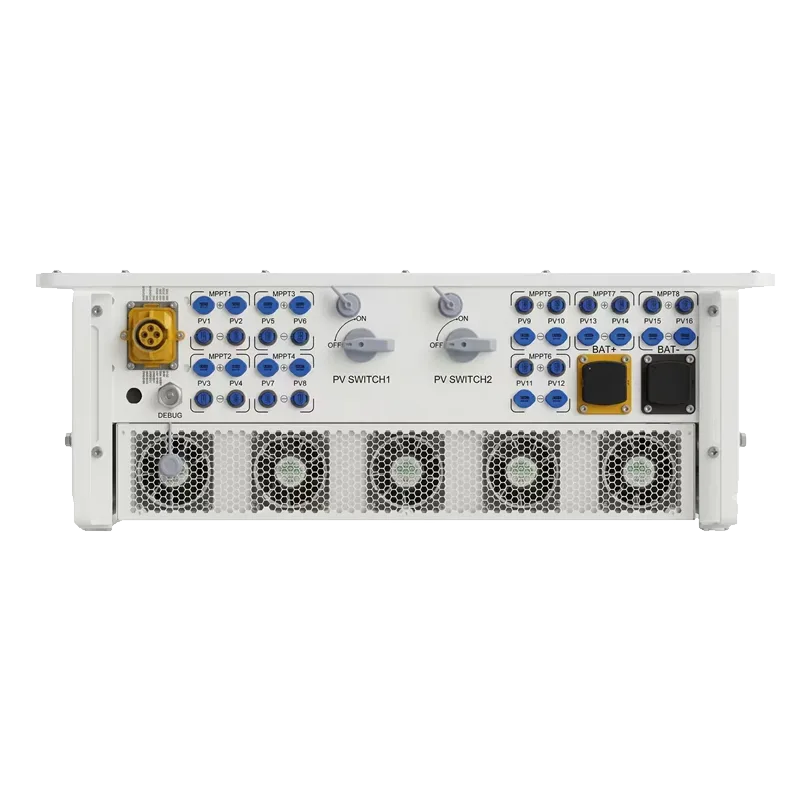
- MPPT—PV→DC bus, max-power tracking (e.g. Leona-M200K).
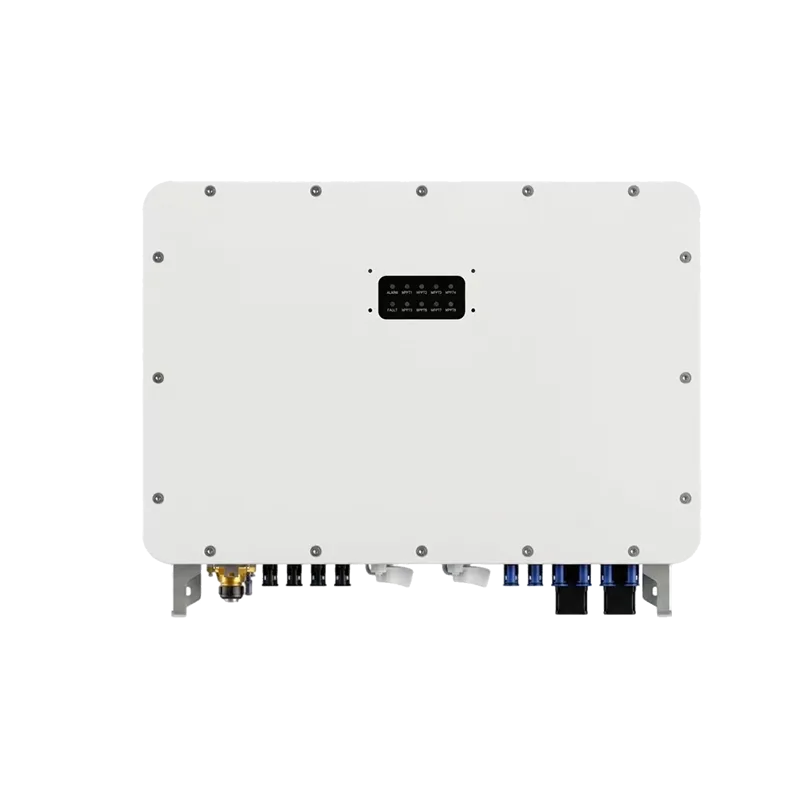
- DC/DC—DC↔DC, buck-boost / cluster management (e.g. SP210HCDC).
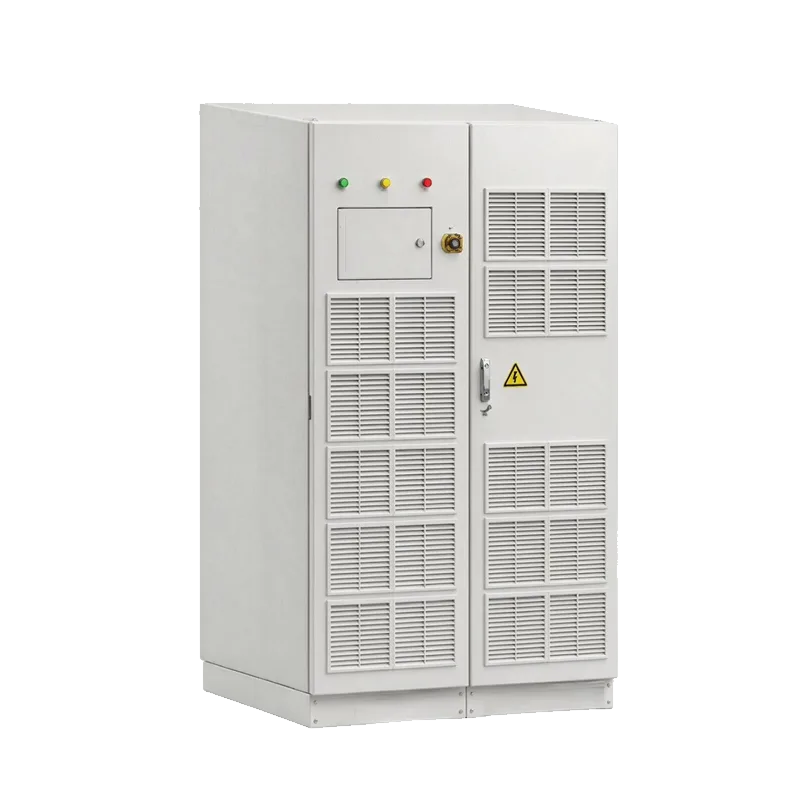
- STS—grid↔off-grid fast transfer, less downtime (e.g. STS200/400/600).
- ATS—grid↔diesel transfer/interlock.
- Meter—power/voltage/current measurement, anti-backflow basis.
Control flow = EMS comms
EMS communicates with PCS, BMS, STS and diesel to unify energy dispatch. VGRID covers modules (PCS) up to MW-class switch cabinet.
FAQ
Does a microgrid need an EMS?
For self-consumption, peak-shaving, backup and multi-source coordination, EMS is the dispatch layer; simple backup can run on STS+PCS internal strategy.
BMS vs EMS?
BMS manages cell/cluster safety and state; EMS manages system energy strategy and coordination — distinct roles.
ATS vs STS?
ATS switches grid↔diesel; STS does millisecond grid/off-grid transfer to cut critical-load downtime.
Does VGRID supply the full component set?
Yes — PCS, MPPT, DC/DC, STS, EMS plus all-in-ones and MW switch cabinets, modular or skid delivery.