Off-Grid / Weak-Grid Microgrid Solutions: Islands, Mines, Africa
Summary: From Cambodia 1.5MW, Zambia 200kW/430kWh, 2.5MW mine to Maldives island grid-forming — off-grid/weak-grid microgrid lessons.
Common thread: with no stable grid, a grid-forming PCS builds the reference
Islands, mines and African villages share the question "who builds V/f reference" — answered by grid-forming PCS coordinating with diesel/PV.
Four real projects
- Cambodia 1.5MW: 125kW PCS×12 + 120kW MPPT×6 + 600kW switch×3. Lesson: large projects group by cluster management first, then AC parallel & switch capacity.
- Zambia 200kW/430kWh: two standard PV-diesel all-in-ones parallel; EMS auto diesel; PCS self SOC balancing; half-wave loads handled by software.
- 2.5MW mine: 125kW PCS×20, PCC controller + contactor for system-level coordination (beyond standard paralleling).
- Maldives island: 30kW PCS×18 (3/unit, 6 units); PCS sustains reference, no inter-unit comms, diesel flexible, any unit exit is non-disruptive.
Solution capability = hardware + algorithm + commissioning
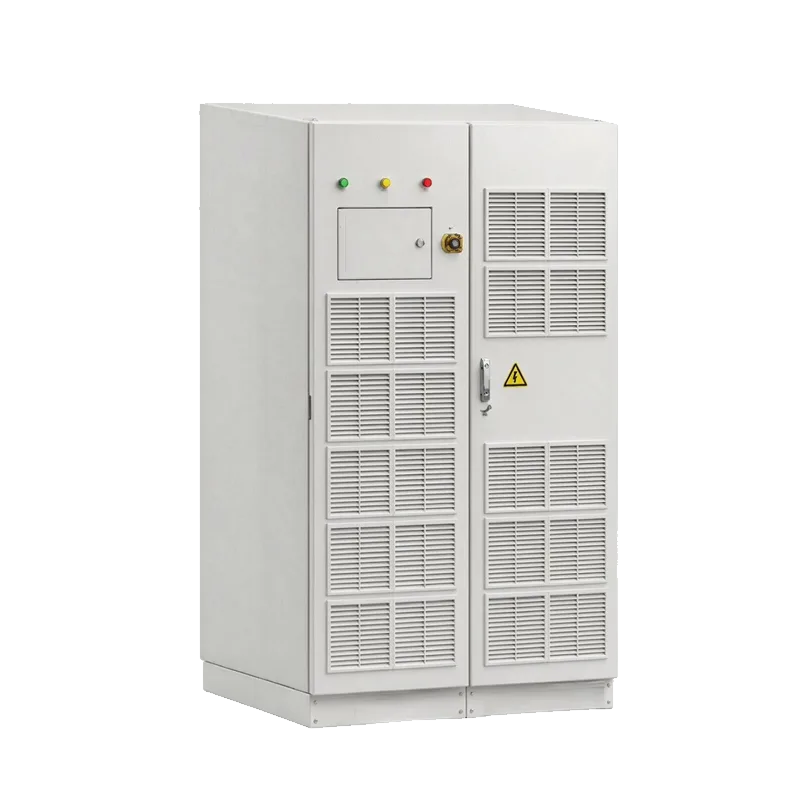
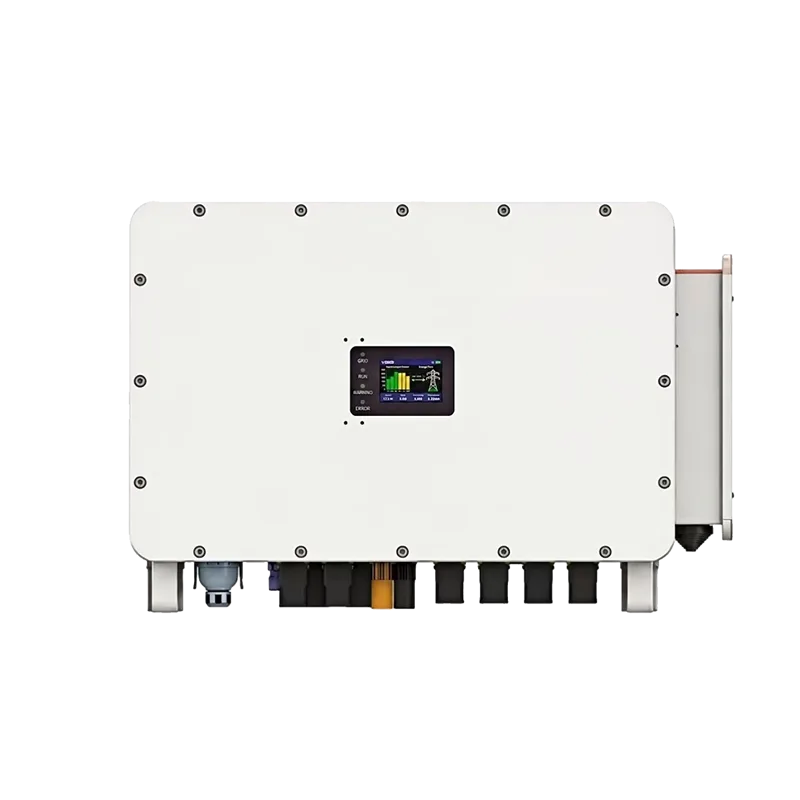
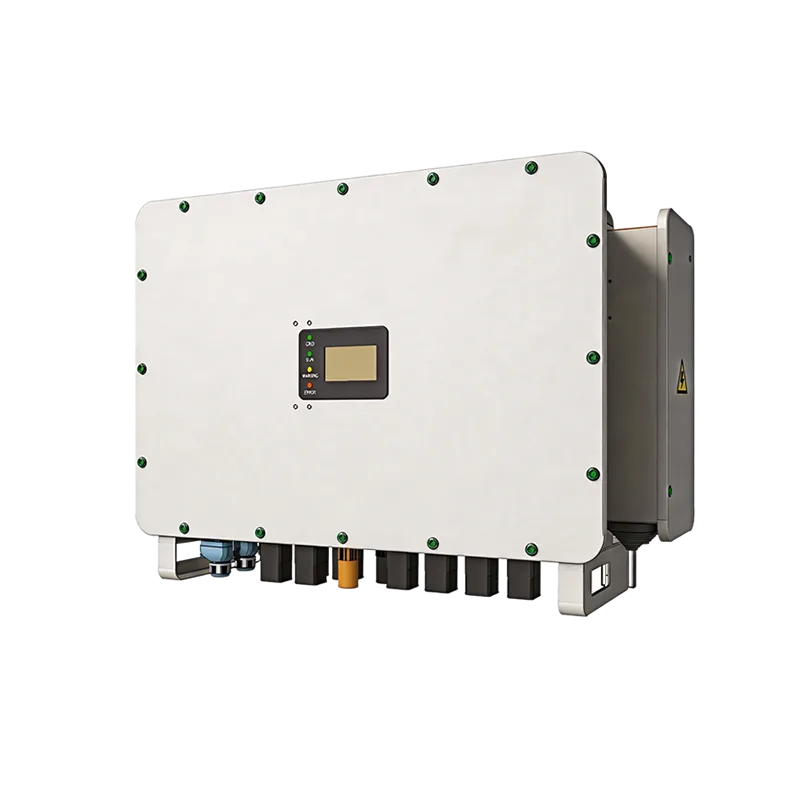
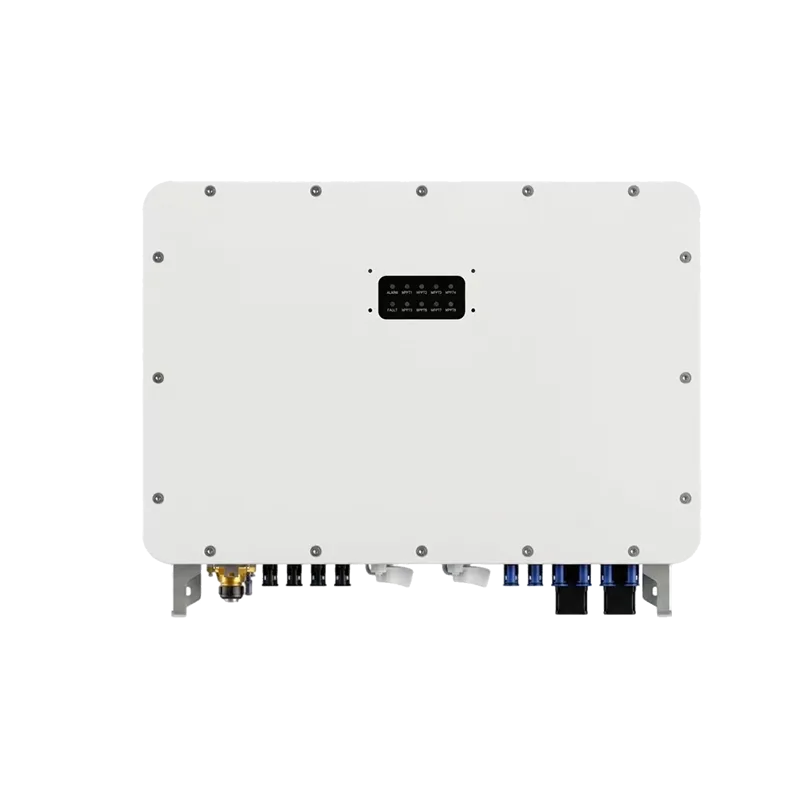
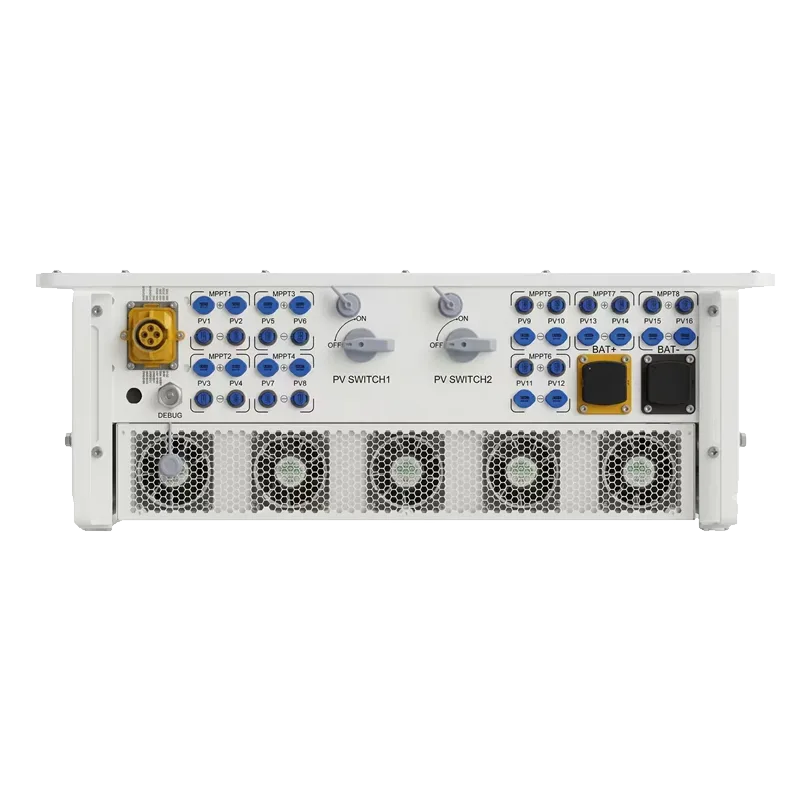
VGRID spans module PCS, all-in-ones to MW switch cabinet, with undefined and undefined solutions.
FAQ
Must an off-grid microgrid have diesel?
Not mandatory, but diesel is a reliable top-up in long cloudy/low-SOC periods; most island/mine projects include it with EMS auto-control.
What is hard about multi-PCS paralleling?
Cluster grouping, AC parallel and switch capacity; beyond standard counts use system-level PCC (2.5MW mine).
How to handle half-wave loads?
Software algorithms improve load capacity rather than just adding power (Zambia); needs vendor algorithm + commissioning.
What matters most for islands?
Stable grid-forming reference, modular redundancy and seamless multi-source coordination — any unit exit is non-disruptive (Maldives).