
PCS Selection Guide: Power / Topology / Paralleling / Off-Grid
Summary: From system boundary to specs: power class, battery voltage window, grid-forming & paralleling, off-grid backup, with the VGRID PCS matrix.
Boundary first, then specs
Select by system boundary (grid-tied/backup/fully off-grid, load, battery, PV, diesel, grid stability) before power and specs.
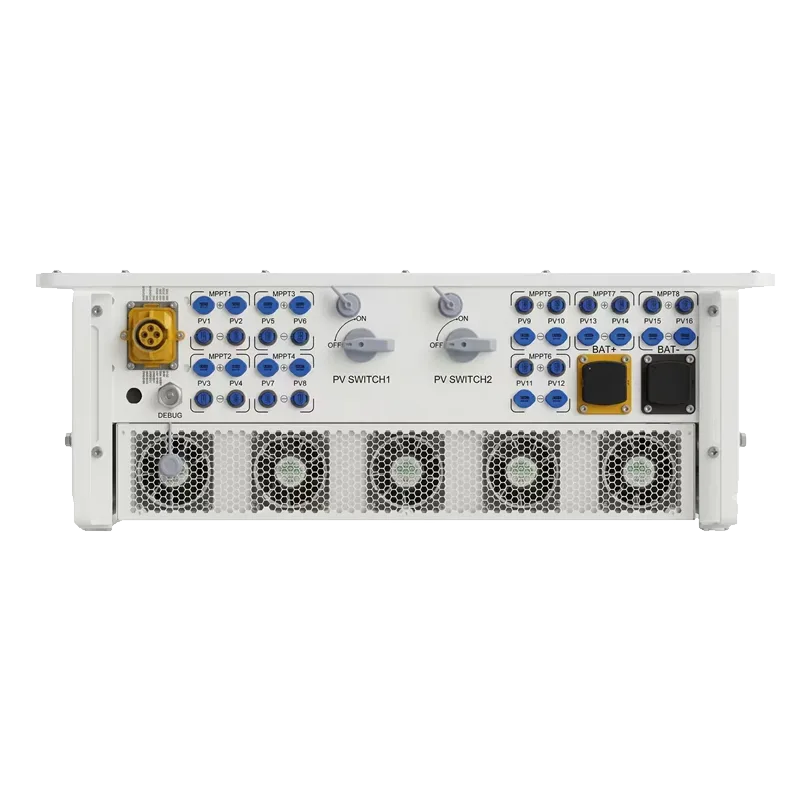
VGRID PCS matrix
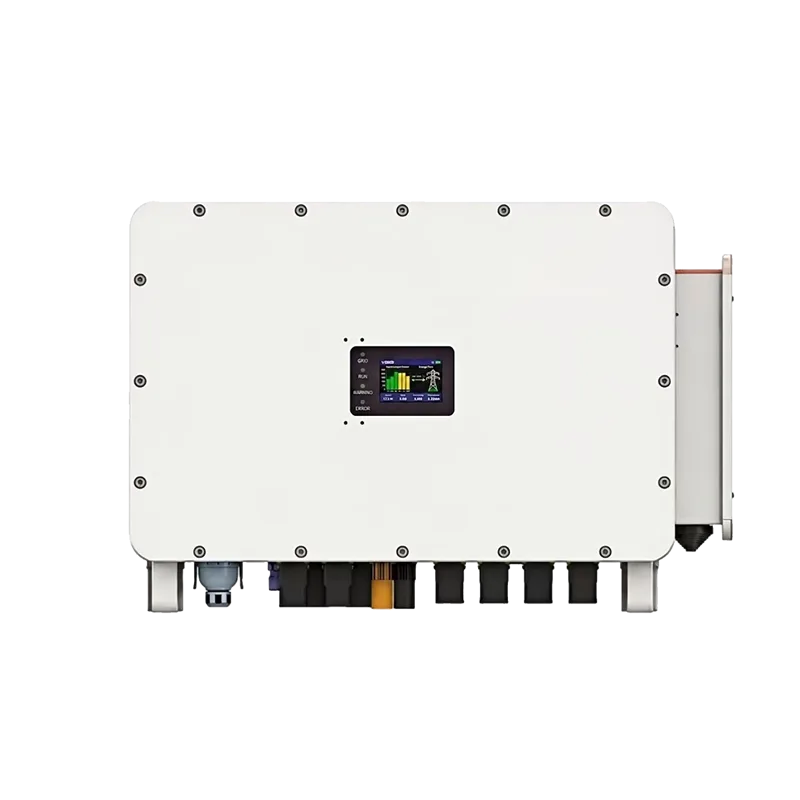
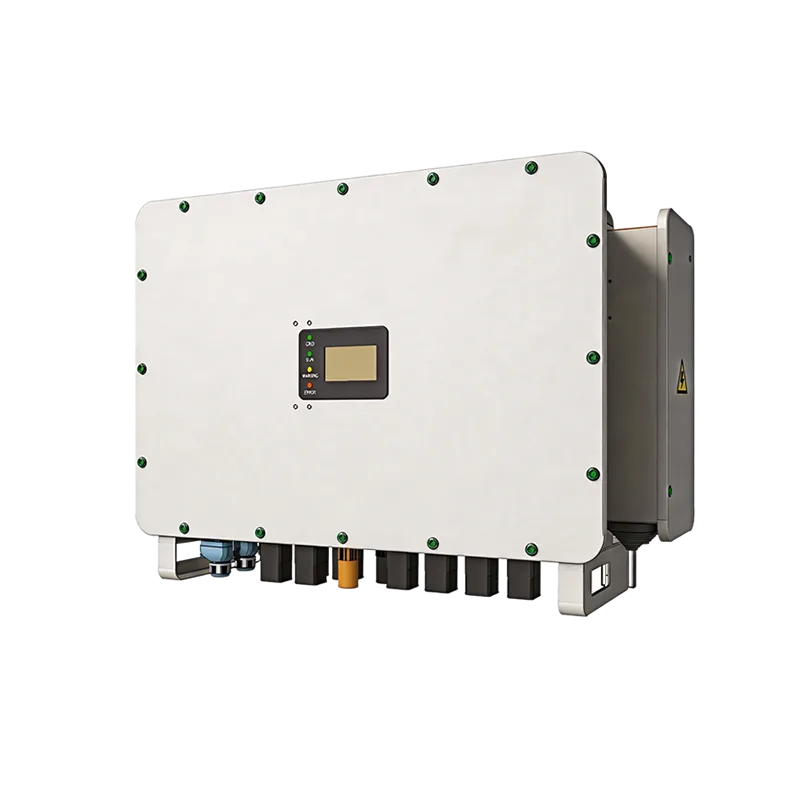
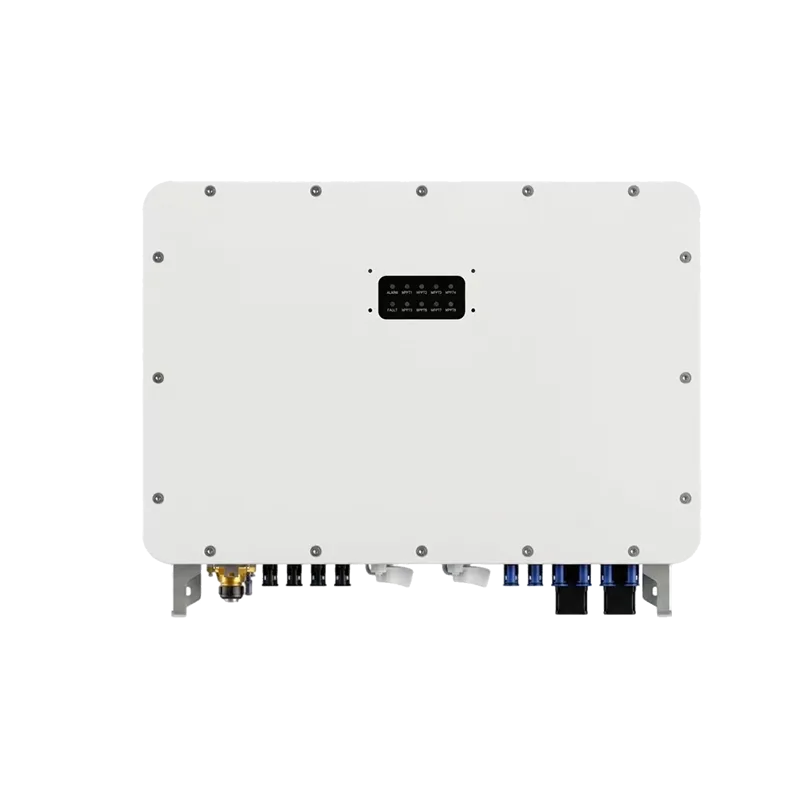
- Small/mid hybrid/storage: SP30/25/15HBPS, SP60/50/40/30HCPS, SP100H.
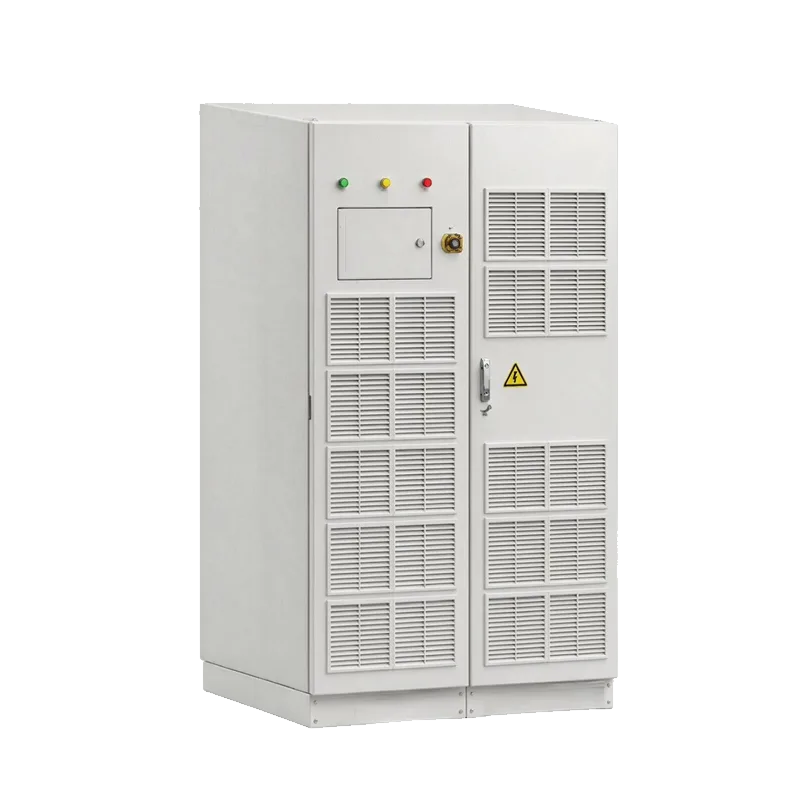
- Standard microgrid module: SP125HCPS (125kW, up to 15 off-grid parallel, grid-forming).
- Liquid-cooled / high power: SP125HSPS.
Key points
- Power: size to peak/continuous load with overload margin (1.5× is an advantage).
- Battery window: must cover operating range.
- Grid-forming/off-grid: no-grid or backup needs grid-forming + STS.
- Paralleling: modular grouping first, then AC parallel & switch capacity (see Cambodia 1.5MW).
FAQ
Why is 125kW often the microgrid core module?
Standardised, grid-forming, 1.5× overload, up to 15 off-grid parallel, and ≥10-year design life.
What PCS for a fully off-grid project?
Grid-forming PCS (SP125HCPS, Leona-H135K), with paralleling count and diesel coordination assessed.
How to plan multi-PCS paralleling?
Group by cluster management first, then AC parallel & switch capacity; beyond standard, use system-level PCC.
When is liquid-cooled PCS suitable?
High-density, high-current, strict thermal sites — e.g. SP125HSPS.